
Tips, Tricks, and Tutorials

Teaching you fun and interesting things to do with your digital images. Whether it's highlighting a new app, or a tutorial on how to edit a photo, we want to help you make the most of your memories.

Featured Thought

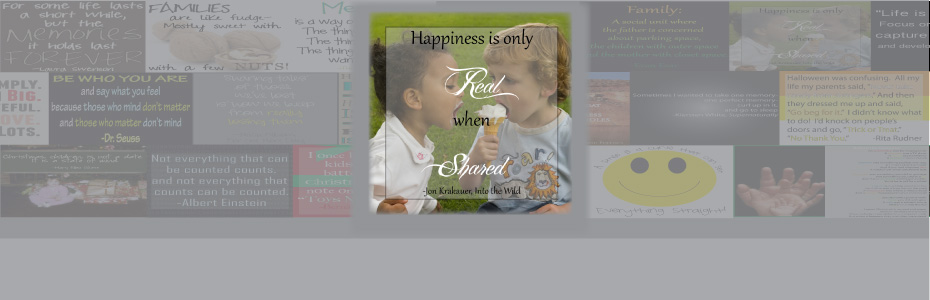
Visit our blog every Thursday when we will post a brand new thought or quote! What's the point of our 'Thursday Thought' feature? Because everyone could use a good one every now and then.

Customer Feedback

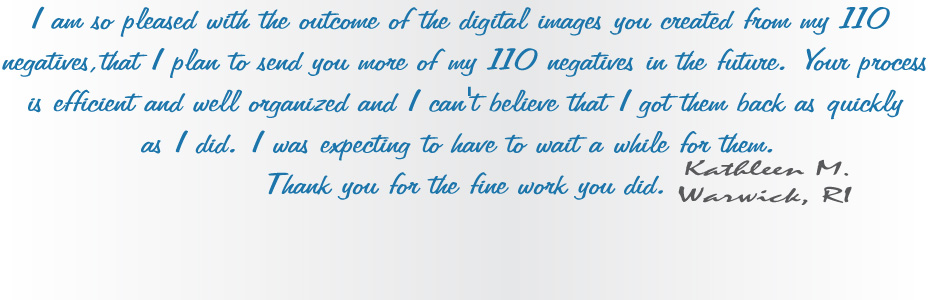
Want to see your raving reviews here? Comment on one of our social media sites, or email us at customerservice@larsendigital.com. We love hearing from you!

Digital Photo Makeover

Your old film and photos can go through a lot. Whether they are extremely discolored, torn or ripped by a child, involved in a flood or accident, we want to fix it!

Check This Out!

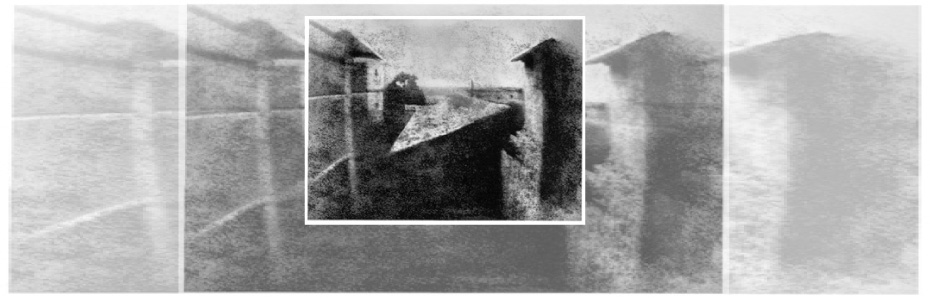
The world's very first photograph! We wouldn't have a business if the photography industry never progressed. It's amazing how far we come, and how advanced we continue to get.

We pride ourselves in our track record since we started business back in 1995. We have always made sure that each and every one of our customers is treated with professionalism along with a personal touch. We're proud to be the most trusted source of slide and negative scanning in North America. We are located beneath the snow-capped peaks of Mount Ben Lomond in Pleasant View, Utah. Pleasant View is 45 miles north of Salt Lake City, host of the 2002 Winter Olympics. All work is done in house here in Utah. We do not outsource any work out of the country like many other companies do.
Showing posts with label Friday FAQ's. Show all posts

Friday, March 25, 2011


Question: What is the difference between a CD, Data DVD, and DVD Video?
Answer:
A CD will hold 700MB of data. It is readable in virtually every computer. Most DVD players connected to a TV will display JPEG images from the CD.

A Data DVD will hold 4.6GB of data, or about 6.5 times as much as a CD. A Data DVD is similar to a CD but it requires a DVD reader in a computer to read it. Most newer computers have a DVD reader. A Data DVD cannot be read in most DVD players for TV viewing.

A DVD Video is a DVD-R disc that has been formatted for movies. It works the same as a DVD movie that you would rent from your local video store (Blockbuster Video, Redbox, etc.)

Friday, March 18, 2011


Question: What type of editing is going to be done on my digitized images?

Answer: We offer a few different editing options.

Silver Servicing (suggested option) includes:
-Color Correction (automated)
-Fade Correction (automated)
-Image Rotation
-1 Folder per every 50 Images
-All editing included in the Silver Scanning price (starting at just $0.35/slide!)

Gold Servicing includes:
-Full featured professional post scan manual image adjustments by a PhotoShop Expert. (manual color correction, contrast adjustment, minor spot treatment, manual cropping)
-Image Rotation
-1 Folder per every 50 Images
-All editing included in the Gold Scanning price (starting at just $0.69/slide!)

Restoration Editing:
Restores your old pictures. We can fix photos that have been ripped, crumpled, burnt edges, etc. We can also add color to your black and white photos. Price depends on work requested.


Friday, March 4, 2011

Friday, February 25, 2011

Friday, February 18, 2011

Today we are featuring a question concerning VHS Video Tape Transfers!

Question: Will you edit out large portions of video that I don't want on the DVD or Hard Drive?


Answer: At our platinum service level, we will edit out dead spots from your video tapes.

*This option is not available with our Silver and Gold service.

Did You Know...
Your precious home movies only have a storage life of one MAYBE two decades before they deteriorate? After just a few years the color begins to distort, and you will see a 'snow' effect start to settle in. They can deteriorate whether you watch them on a daily basis, or keep them in a box.
Need to convert your VHS tapes and home movies? Click here

Friday, February 11, 2011

Question: I have both the negatives and the printed photos; which one is better to have scanned?

Answer: The Original!!

In Almost Every Case, the original negative will produce a better scan than the printed photo. The negative is the "original" and it will always contain more scan-able data than the print.

Did You Know...

That we scan negatives and slides starting out at JUST 35¢? Want to order? Just click here!

Friday, February 4, 2011


Question: How do I know what type of movie film I have?

Answer: Use the pictures below to help identify your film type:


DID YOU KNOW....

The standard 8 mm film format was developed by the Eastman Kodak company during the Great Depression and released on the market in 1932 to create a home movie format that was less expensive than 16 mm?

Want more information about movie film? Visit us here